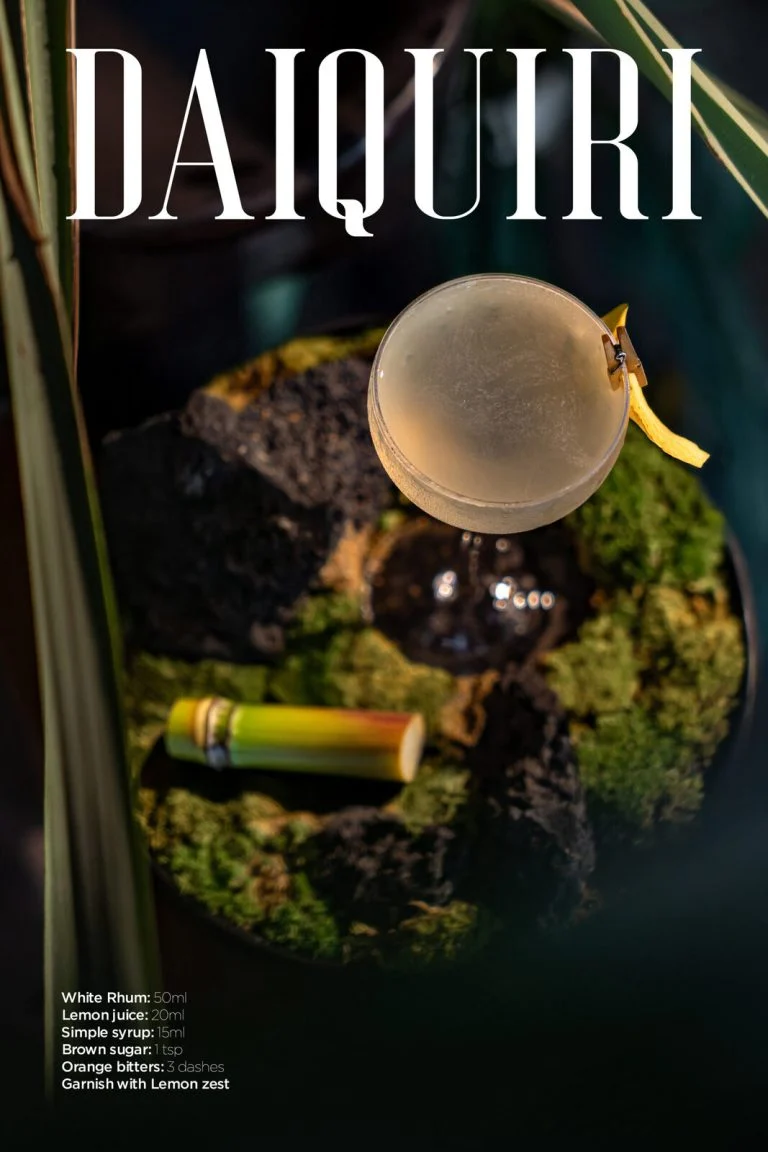

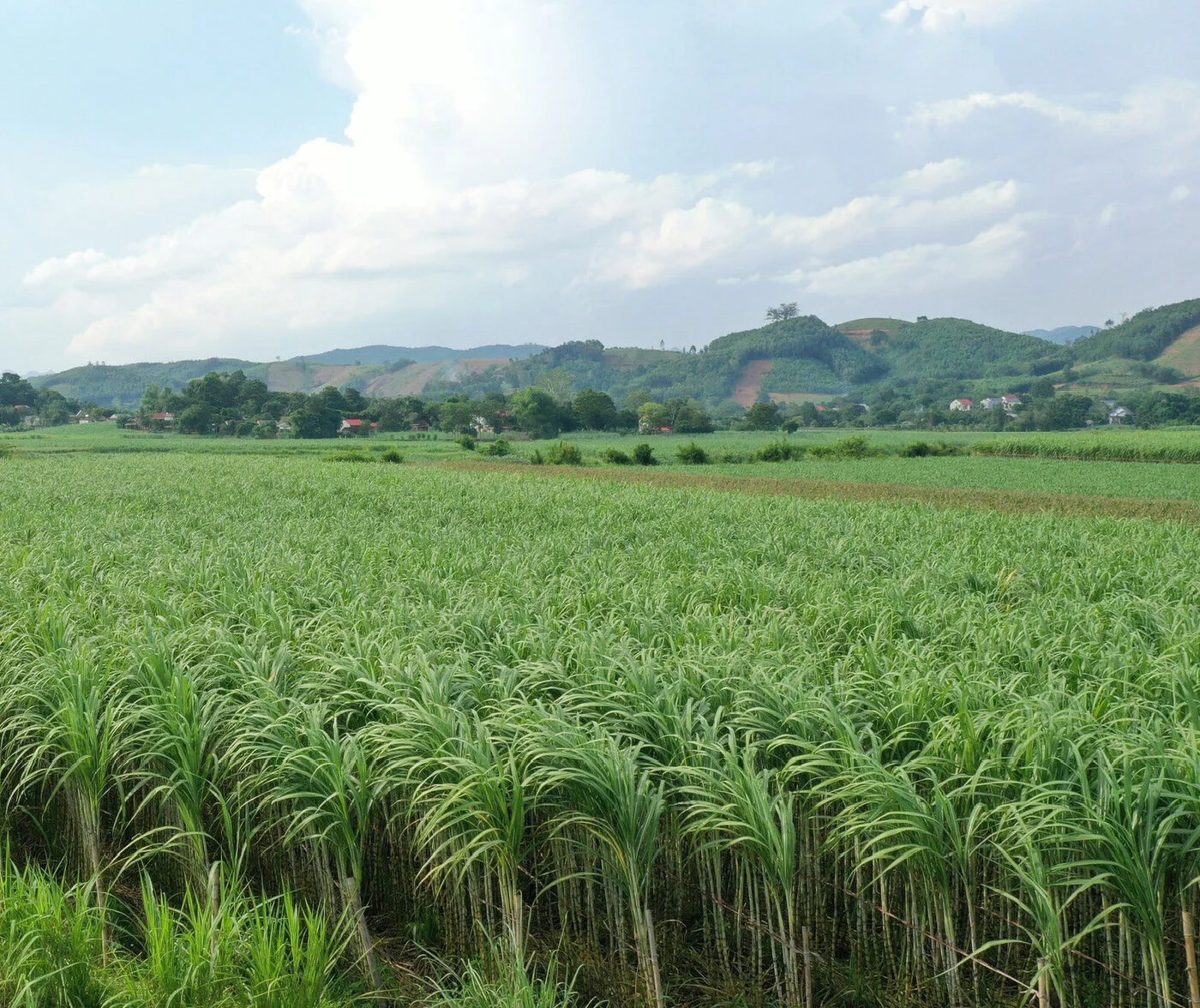
Thạch Thành sits where the Bưởi River slows down and drops what it has carried out of the limestone hills. That deposit — fine, mineral-heavy alluvium — is the reason cane grown here tastes the way it does, and the reason we press it instead of buying molasses.
Cane is a grass, and like every grass it reports the ground it grew in. Move the same cultivar thirty kilometres onto sandy soil and the juice turns thin and sweet; leave it here and it keeps a saline, almost stony edge that survives fermentation, distillation and eighteen months in clay.
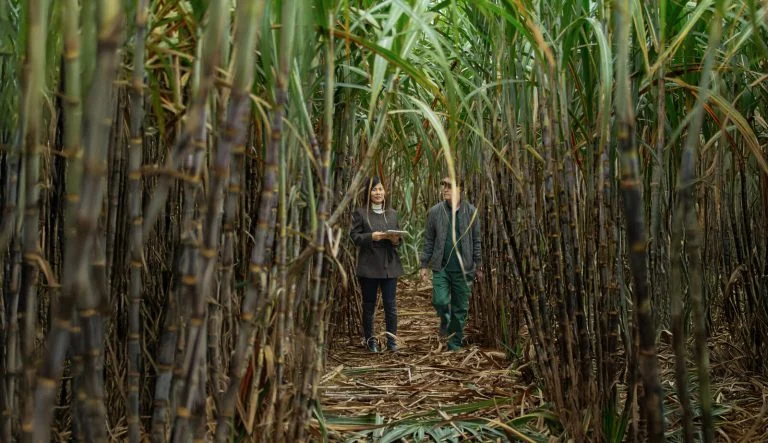
Harvest is by hand, always. A mechanical harvester bruises the stalk and the juice starts oxidising in the field, which costs us the fresh-cut aroma we are farming for in the first place. Cut stalks reach the mill within a few hours of leaving the ground.
The soil does not negotiate. You either plant where the river left something behind, or you spend the rest of the process compensating.
Head Distiller, HaLong Distillery
Why fresh juice, not molasses
Ninety-odd percent of the world’s rum is made from molasses, a by-product of sugar refining that is stable, cheap and available all year. Fresh cane juice is none of those things. It ferments the moment it is exposed to air and it is only available during harvest.
What it gives back is a rum that still tastes like a plant. Grassy, floral, faintly saline — a flavour that no amount of barrel work can put back in once it has been refined out.